okhttp support 307 redirect for palo
虽然百度的Palo是个很强大的,基于MPP Search Engine的OLAP框架,但是由于处于开源的早期阶段,各方面都不是很完善。其中,Palo集群的稳定性对于日渐依赖Palo的核心的业务来说显得尤为重要。最近也一直在做Palo稳定性建设相关的工作。在对全链路监控这块,自然而然地想到对业务中使用频繁的http-mini-load接口进行SDK封装,以实现对请求进行失败重试以及失败率的监控报警的功能。
遇到的问题
问题描述
- 在实际的SDK封装中,用到了流行的okhttp,发送请求如下:
PaloHttpUtil paloHttpUtil = PaloHttpUtil.builder().build();
String bodyStr = "1 1 2018-04-12 20:13:00 4101628087476389 1\n1 1 2018-04-12 20:13:00 4205819141030267 2";
System.out.println(paloHttpUtil
        .put(String.format("http://xxxx:8030/api/feed/comment_trend/_load?" +
                "label=comment_trend_load_%s&columns=trend_type,user_type,timestamp,mid,count", prefix))
        .auth("feed", "feed")
        .header("Expect", "100-continue")
        .body(bodyStr, ContentType.WILDCARD)
        .asyncSend(3, 10000, TimeUnit.MILLISECONDS)
        .string()
response: code 307 Temporary {“Status”:”Failed”} 也就是说发生了重定向。对于服务器为何不在一个request中直接接收PUT的数据,这块贴一下100-continue的定义。
100 (Continue/继续) :如果服务器收到头信息中带有100-continue的请求,这是指客户端询问是否可以在后续的请求中发送附件。
在这种情况下,服务器用100(SC_CONTINUE)允许客户端继续或用417 (Expectation Failed)告诉客户端不同意接受附件。这个状态码是 HTTP 1.1中新加入的。
为什么palo 的miniload在请求的时候发生了重定向?这块我们先研究一下为什么okhttp不支持307重定向,解决问题之后我们再看看palo-fe里面miniload的实现机制。
源码追踪
- 我们通过debug深入源码看看在哪一步处理的307重定向
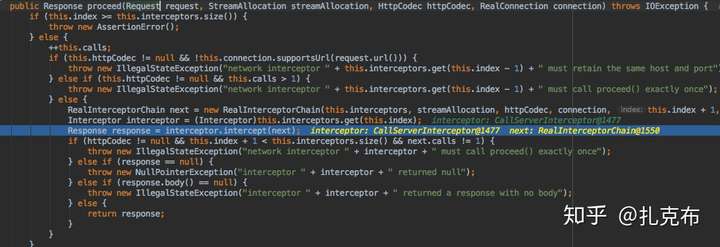
由图,我们可以看到对于request/response的处理,okhttp采取了插件的形式,类似于Spring AOP 源码中切面invoke方法的处理方式。这种插件的方式意味着我们可以定制化请求处理逻辑。借官方原图:
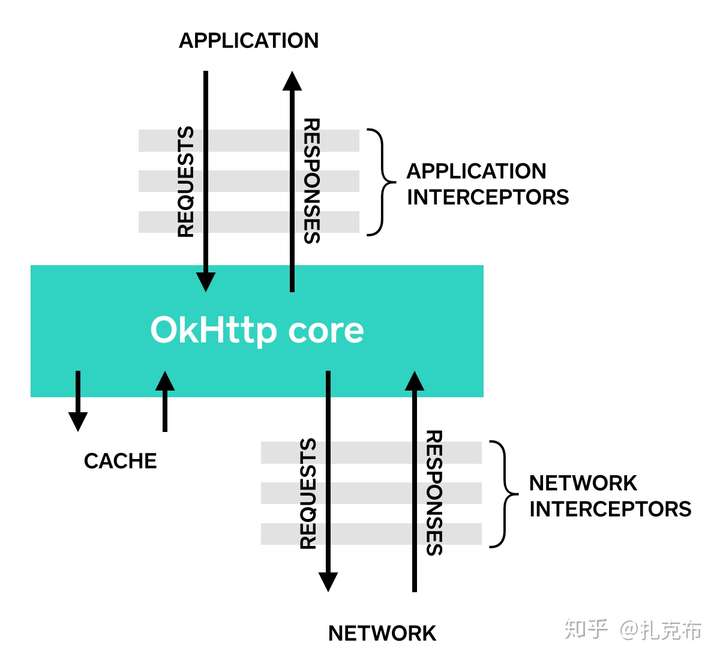
由于interceptor里面是可以执行重试逻辑或直接返回response,所以,我们再深入看看在哪个Interceptor里直接返回了response。断点打到RetryAndFollowUpInterceptor里如下的代码块:
Request followUp = this.followUpRequest(response, streamAllocation.route());
				//这里followUP返回null
           if (followUp == null) {
               if (!this.forWebSocket) {
                   streamAllocation.release();
               }

               return response;
           }
由于followUp返回了null,导致response直接返回。说明当前的redirect策略不支持307重定向,再深入具体的重定向策略followUpRequest
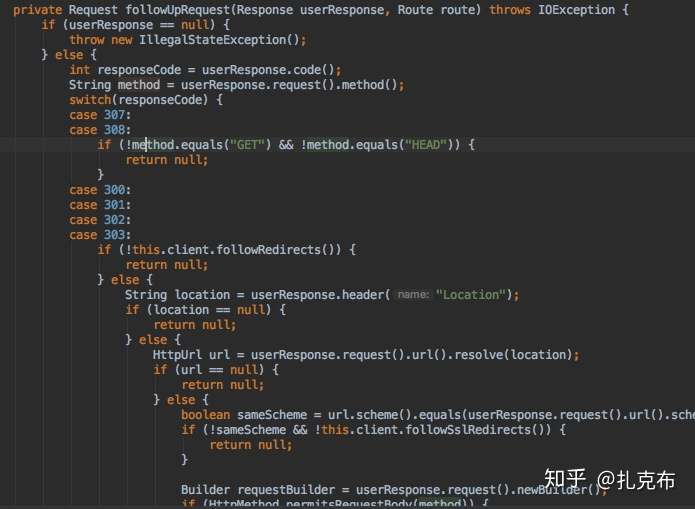
发现307,308如果request method不等于GET且不为HEAD时直接返回了null,由此对于307 的PUT重定向操作okhttp是不支持的
问题的解决
okhttp 添加自定义redirect interceptor
- 前面提到,我们可以往okhttpClient里面添加自定义的interceptor来达到对request/response灵活劫持的目的。于是考虑加一个支持palo put 307 重定向的redirect interceptor.
大致的策略还是跟RetryAndFollowUpInterceptor一样,对followUpRequest的方法做了修改
case 300:
  case 301:
case 302:
case 303:
case 307:
将307放到了300-303并列的位置,进入redirect逻辑。去掉将method统一替换成GET的逻辑:
if (HttpMethod.redirectsToGet(method)) {
	requestBuilder.method("GET", (RequestBody)null);
} else {
	RequestBody requestBody = maintainBody ?userResponse.request().body() : null;
	requestBuilder.method(method, requestBody);
}
改为:
boolean maintainBody = HttpMethod.requiresRequestBody(method);
                                   RequestBody requestBody = maintainBody ? userResponse.request().body() : null;
                                   requestBuilder.method(method, requestBody);
为了带上用户名密码,去掉逻辑:
 if (!this.sameConnection(userResponse, url)){
 	requestBuilder.removeHeader("Authorization");
}- 至此,Palo http-mini-load put 307 Temporary 重定向问题得到了解决
使用apache httpcomponents
- 在apache httpcomponents中,可以设置redirectStrategy,来达到重定向的策略,且不受http code的约束
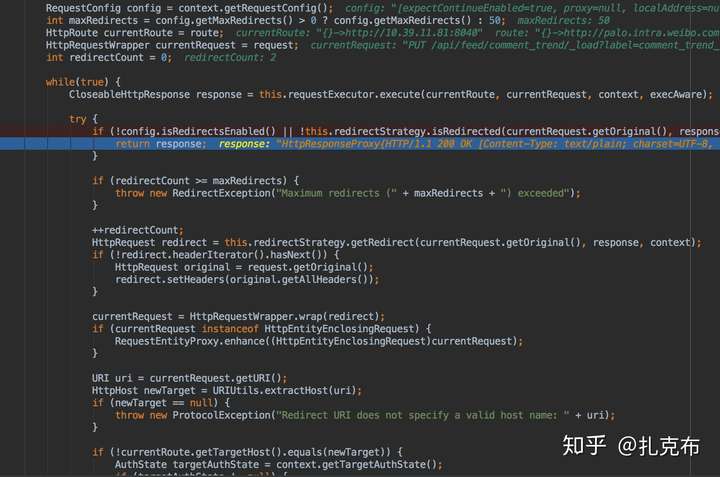
可以看到本身的redirect机制还是比较强大的
- 不过鉴于本人习惯用okhttp,且用自定义的interceptro也能解决问题,所以暂时没有采用这种方法。
palo-fe miniload
回到问题的开始,为什么在调palo-fe的minload接口会发生重定向呢?我们深入一下palo-fe的源代码
//入口 LoadAction.java
public static void registerAction(ActionController controller) throws IllegalArgException {
       ExecuteEnv execEnv = ExecuteEnv.getInstance();
       LoadAction action = new LoadAction(controller, execEnv);
       controller.registerHandler(HttpMethod.PUT,
               "/api/{" + DB_NAME_PARAM + "}/{" + TABLE_NAME_PARAM + "}/_load", action);
   }

   //在路由的execute方法中,看到如下逻辑
   // Try to redirect to master
   //这里还是由leader去负责写请求,确保FE的高可用
       if (redirectToMaster(request, response)) {
           return;
       }

       // Choose a backend sequentially. 顺序的去选择一个backend处理miniload的请求
       List<Long> backendIds = Catalog.getCurrentSystemInfo().seqChooseBackendIds(1, true, false, clusterName);
       if (backendIds == null) {
           throw new DdlException("No live backend.");
       }

       Backend backend = Catalog.getCurrentSystemInfo().getBackend(backendIds.get(0));
       if (backend == null) {
           throw new DdlException("No live backend.");
       }

       TNetworkAddress redirectAddr = new TNetworkAddress(backend.getHost(), backend.getHttpPort());
       if (!Strings.isNullOrEmpty(subLabel)) {
           redirectAddr = execEnv.getMultiLoadMgr().redirectAddr(dbName, label, tableName, redirectAddr);
}- 从上面的逻辑中我们可以得到以下几个讯息:
- 为了保证FE的高可用性,还是执行严格的Leader负责读写,Follower负责读的请求策略
- 之所以会发生307重定向的问题,是因为数据的导入实际上是转发给BE来做的,FE只是做了一层中继调度的工作
总结
- okhttp 不支持307除get意外其他request method重定向的原因不得而知。不过对于开源的组件,也不必要满足各种各样奇怪的胃口,对于需求的定制化留好可扩展接口就行。
- 来源
https://zhuanlan.zhihu.com/p/36239042
来自 “ ITPUB博客 ” ,链接:https://blog.itpub.net/69999831/viewspace-3125498/ ,如需转载,请注明出处,否则将追究法律责任。

