
曾用过"0004 内向交货"这种确认控制,那么确认控制到底控制啥?有什么其他的作用吗?
我们可通过SAP Lib和动手测试,更深入地了解一下PO确认控制的具体作用。
- 定义: vendor confirmation
Materials Management (MM)
Materials Management (MM)
Notification from the vendor to the recipient regarding the status of apurchase order. The term covers a variety of communications sent by a vendor (external supplier) to a customer.
A vendor confirmation may take the form of an order acknowledgment,loading or transport confirmation, or shipping notification. Suchconfirmations enable the customer to plan more exactly because duringthe period between the PO date and the planned delivery date, the latterreceives increasingly precise, reliable and up-to-date information fromthe vendor pertaining to the expected delivery.
供应商确认包括诸如订单回执、装货确认、运输确认、装运通知等。这些确认信息可以辅助客户更好地做生产计划,因为计划交货信息(包括日期和数量)是在不断更新的,而不用仅仅依靠PO交货日期和数量两个相对更固定的字段。
既可以手工录入供应商确认信息,也可以通过EDI自动接收;既可以仅仅录入供应商确认编号,亦可以录入包括数量、预计交货日期在内的更详细的信息。
在SAP中,你可以设置某种确认是MRP相关的,比如订单回执MRP不相关(因为订单回执中的信息可能还不够可靠),而设置装运通知MRP相关,因为装运通知表明Vendor已进入最后的装运阶段了。
-
可设置的内容

-
外部确认类别,
即供应商可能反馈的信息类别,比如针对PO的确认、发货通知等等
-
内部确认类别
企业内部将供应商确认信息类别进行了分类,以确定哪些外部确认类别是订单回执、哪些确认类别是装运通知(可以建立内向交货单)、哪些确认类别是粗收货。上述三种统称为内部确认。
Internal confirmation categories control:
- Message processing when a confirmation is received via Electronic Data Interchange (EDI)
- Transactions for the manual creation of inbound deliveries and rough GRs
内部确认可以控制:
在启用EDI的系统中,收到供应商确认后发出什么消息(<输出控制>)
不启用EDI的系统中,能否手工创建内向交货单以及粗收货
举个例子:
已把外部确认类别"装运通知"分配给内部确认类别"装运通知",当EDI收到供应商的"装运通知",系统即自动创建内向交货单并更新PO确认信息。
-
确认控制

先定义确认控制类型,再分配1-n个外部确认类别(外部确认类别在第2步已经关联了内部确认类别)给确认控制类别:

①创建内向交货,该标识如果勾选,则用户可以运行VL34为分配了此确认控制的满足条件的PO自动创建内向交货单。附:如何分配默认确认控制类型给PO——后勤执行-装运-交货-:

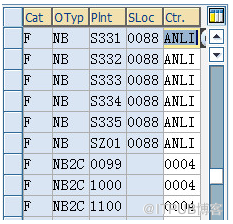
这种自动创建内向交货的背景是:
If your enterprise does not work with shipping notifications, or only uses them to a limited extent, you can generate inbound deliveries automatically from purchase orders.
②POD相关:GR时是否向供应商发送收货回执作为Proof of Delivery
POD Control (Proof of Delivery)
This indicator controls the POD relevance of a delivery item along with the delivery item category, that is to say, whether a delivery item is relevant for proof of delivery on the ship-to party side.
The indicator can have the following settings:
' ': not POD relevant
'A' : always POD relevant
'B' : only POD relevant when there are quantity differences
The indicator is copied from the purchasing or sales document into the delivery, if control of POD relevance in the delivery item category is set to "Copy POD relevance from preceding document".
可以设置成1、总不发送;2、总是发送;3、仅当内向交货与实际GR数量不一致时发送。
如果在交货项目类别上设置"V 从先前凭证复制交付核证相关性",则POD控制标识会从采购订单复制到内向交货单上,而采购订单的POD控制标识在确认控制中设置。例如内向交货的交货项目类别ELN的设置可以如下图:

其设置路径:


有兴趣的可以具体深究一下。不谈。
③数量差异(后续研究)
然后分配外部确认类别:

①MRP相关的——MRP是否考虑此外部确认的数量
②收货相关
Indicator: Confirmation is GR-Relevant
Specifies that the relevant confirmation category is cancelled out by a goods receipt.
Use
This indicator is needed to close transactions for materials planning purposes.
When goods are received against a PO, materials planning and control must know that this GR relates to the last confirmation you received.
This means that only one confirmation category can have the indicator 'GR relevant'.
Examples
If, for example, a GR of 200 pc of the material Steel 1 is entered against a PO item for 200 pc after an inbound delivery marked as GR-relevant has been posted, the inbound delivery is cancelled out by the goods receipt.
控制GR会不会冲减外部确认类别的数量,鉴于MRP可能会重复考虑GR的库存数量和外部确认的数量。
如果一个确认控制里所有外部确认类别都不勾选"收货相关",系统会提示

即最后一个确认类别必须勾选GR相关,且只能有一个勾选:

如果勾选了,则GR会冲减外部确认的数量,且内向交货单一旦创建,如果订单回执也是MRP相关的,则内向交货单数量会冲减订单回执的数量。GR后,GR数量会冲减内向交货单数量:


③收货分配
Indicator: GR with Reference to Vendor Confirmation
In the case of a PO item with several confirmations, this indicator ensures that goods receipts are assigned to the relevant confirmation in each case.
Use
Assignment to confirmations received at the time of goods receipt (GR) means that the quantity from the associated confirmation will be suggested in the GR and that the GR reduces or cancels out precisely the relevant confirmation in the stock/requirements list.
You can use GR assignment only for confirmation categories that are GR-relevant.
Note
Note that you can only post a goods receipt if a confirmation (e.g. an inbound delivery) has already been entered.
If goods receipt takes place before inbound delivery, you cannot post the goods receipt because the GR cannot then be assigned to an inbound delivery.
Example
Assume you have a PO item covering 100 tons of "Steel 1". You have been notified of two inbound deliveries of 50 tons each. The system will assign each of the subsequent goods receipts to the relevant inbound delivery.
When you post a goods receipt, it is not the total quantity from the PO item (here 100 tons) that appears as the default (suggested) quantity. Instead, the default data will be taken from the inbound deliveries of the item (in this case, the system will provide two default quantities of 50 tons each).
Dependencies
If the batch split realized in the inbound delivery is to be taken into account at the time of goods receipt, you must set the GR assignment indicator for the confirmation category "inbound delivery".
控制作用:
- 不勾选则可以直接参考PO收货(当然亦可以参考内向交货收货),且收货建议数量是整个PO未清数量;
-
勾选则可以参考内向交货收货,亦可以参考PO收货,但参考PO的前提是必须先创建内向交货,且如果参考PO收货,MIGO时会把内向交货项目建议出来而不是整个PO的未清数量。

④监控期间和参考日期:

比如选择"10天"和"交货日期减去监控期间",如果交货日期10天之前没有录入确认,则"this PO item will appear in the analyses for the monitoring and follow-up of confirmations"
后面的一些字段用于EDI,不谈。
-
前台

"确认"页签中,第一行有这么几个字段,拒绝标识勾选则代表供应商拒绝了此行PO项目;需要确认标识勾选则如果供应商超期未有回执的话,系统会在监控期间和参考日期所确定的日期上发催促信给供应商催促确认;订单确认字段填入供应商确认编号,可以是供应商邮件编号、确认日期等等,如果有多次确认,则在下面的确认行项中具体填写。
注意,按SAP Lib上所说,只有订单回执这种确认类型超期系统才会发出催促信。其余(比如内向交货)是不会有催促信的。关于供应商催询的详细内容,下一篇探讨。
-
对MRP的影响

ZB这种外部确认类型设置为MRP相关,故会体现在库存/需求清单中,作为供给:


LA也是MRP相关的,且设置成收货相关,故冲减了ZB 30单位,在库存需求清单中ZB所代表的供给只剩下46-30=16单位,新增了LA所代表的供给30单位:

再来看看GR后的效果(17单位):

内向交货的供给数量减少了17单位,而库存对应增加了17单位。即系统不会重复计算内向交货和库存所带来的供给。
来自 “ ITPUB博客 ” ,链接:https://blog.itpub.net/502110/viewspace-2123229/ ,如需转载,请注明出处,否则将追究法律责任。

