之前,分析并采用python和C++实现了单链表:
机器学习入坑者:干货!单链表从原理到实现——附python和C++两个版本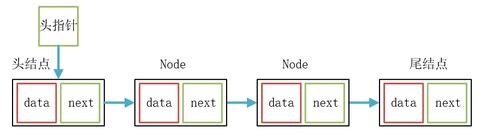
1、基本概念:
在单链表的基础上,人们设计了一种“循环性”单向链表,称之为“单向循环链表”。相比于单向链表,单向循环链表的最大特点是“尾结点指向头节点”。

2、单向链表VS单向循环链表——优势
对单向链表中任一个节点的访问都需要从头结点开始;而对单向循环链表从任意节点出发都能遍历整个列表,极大的增强了其灵活性。
3、单向链表VS单向循环链表——修改
(1)判断是否为空:
单向链表:如果头结点指向空,那么为空链表
单向循环链表:如果头结点指向自身,那么为空链表
(2)判断是否为尾结点
单向链表:指向空的节点为尾结点
单向循环链表:指向头结点的节点为尾结点
4、代码实现:
根据前面所述,单向循环链表和单向链表的在增、删、改、查各个函数的实现上差别很小,所以下面仅仅实现代表性的函数,其余函数请参考:
机器学习入坑者:干货!单链表从原理到实现——附python和C++两个版本python实现:
(1)节点类
单向循环链表的节点类的和单向链表一致,都仅包含数据域data和指针域pointer作为实例属性:
class Node:
    def __init__(self, data):
        """节点类"""
        self.data = data
        self.pointer = None
(2)链表类
初始化函数的目的是构建一个空链表,令头指针指向自身:
class SCLL:
    def __init__(self):
        """ 初始化函数"""
        self.head = Node(None)
        self.head.pointer = self.head
(3)判断是否为空:is_empty()函数
根据前面分析可知,需要判断头结点是否指向自身,从而确定是否为空:
def is_empty(self):
    """ 判断链表是否为空"""
    if self.head.pointer == self.head:
        return True
(4)头插法
在单向循环列表的表头进行元素插入时,需要判断是否为空链表;对于非空链表,先令新节点指向头结点的直接后继,然后令头结点指向新节点:
def add(self, data):
    """ 头插法"""
    node = Node(data)
    # 链表为空直接插入首位置
    if self.is_empty():
        self.head.pointer = node
        node.pointer = self.head
        return True
    # 链表不为空时
    else:
        node.pointer = self.head.pointer
        self.head.pointer = node
        return True
(5)遍历链表
针对空链表可返回None;针对非空链表即采用循环操作,结束条件当前位置是尾结点:
def traversal(self):
    """ 遍历链表"""
    if self.is_empty():
        return False
    else:
        counter = 1
        current =self.head.pointer
        # 当前指针不指向头结点时进行循环
        while(current != self.head):
            print(" Element {} is {} ".format(counter, current.data))
            counter += 1
            current = current.pointer
        return True
C++实现:
(1)节点类
单向循环列表的节点类在C++实现中依旧可与单向链表相同:
class Node{
public:
	int data;
	Node *pointer=NULL;
};
(2)链表类
依旧是遵循声明和实现分离的原则,首先定义构造函数和常用的几个链表操作函数:
class SingleLinkedList {
public:
	SingleLinkedList();
	bool isEmpty();
	void add(int data);
	void traversal();

private:
     Node *head;
};
(3)构造函数
创建头结点,并让头结点指向自身:
SingleLinkedList::SingleLinkedList() {
	head = new Node;
	head->data = ;
	head->pointer = head;
}
(4)判断是否为空:isEmpty()
bool SingleLinkedList::isEmpty() {
	// 头结点不指向任何结点,为空
	if (head->pointer == head) {
		return true;
	}
	else {
		return false;
	}
}
(5)头插法:add()
void SingleLinkedList::add(int data) {
	// 当原列表仅有头结点时,直接插入新节点即可
	if (isEmpty()) {
		head->pointer = new Node;
		head->pointer->pointer = head;
		head->pointer->data = data;
	}
	// 列表非空时
	else {
		// 临时存储头结点的直接后继
		Node *temp = head->pointer;
		head->pointer = new Node;
		head->pointer->data = data;
		head->pointer->pointer = temp;
	}
}
(6)遍历:traversal()
void SingleLinkedList::traversal() {
	// 链表为空,结束函数
	if(isEmpty()) {
		return;
	}
	else {
		Node *current;
		// 指向头结点的直接后继
		current = head->pointer;
		int counter = 1;
		// 遍历链表,输出每个节点的值
		while (current != head)
		{
			printf("Element in %d is %d \n", counter, current->data);
			counter++;
			current = current->pointer;
		}
	}
}
来自 “ ITPUB博客 ” ,链接:https://blog.itpub.net/31537575/viewspace-3128823/ ,如需转载,请注明出处,否则将追究法律责任。

