三者都是改变 this 指向的 api
用法
apply:xxx.apply(this, [arg1, arg2])
call:xxx.call(this, arg1, arg2)
bind:xxx.bind(this, arg1, arg2)
区别
主要是传参方式和执行方式不同
-
apply、call 的区别:接受参数的方式不一样
-
bind:不立即执行。而 apply、call 立即执行
栗子
初始状态
let Person = function(name, age) {
    this.name = name;
    this.age = age;
};

let Student = function() {
    this.class = 'classA';

    this.run = function() {
        console.log(this);
    };
};

let student = new Student();

student.run();
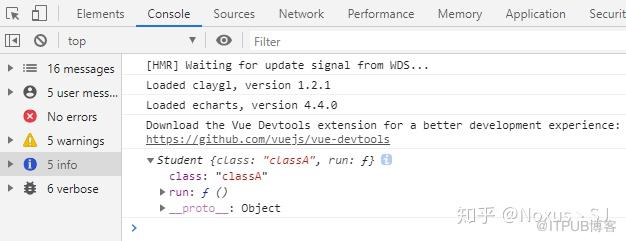
可以看见这个时候打印的 this 是指向 Student 构造函数,并且和 Person 构造函数没有任何关联
使用 apply 改变 this 指向
let Person = function(name, age) {
    this.name = name;
    this.age = age;
};

let Student = function() {
    this.class = 'classA';

    this.run = function() {
        Person.apply(this, ['xiaoming', 20]);
        console.log(this);
    };
};

let student = new Student();

student.run();
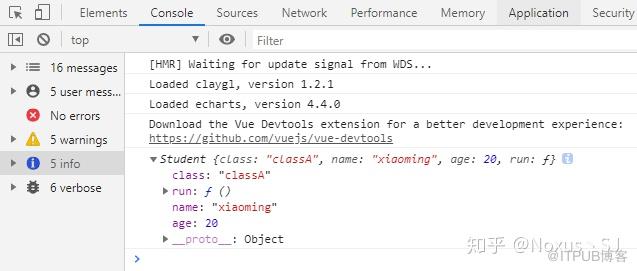
这个时候 this 已经指向了 Person 构造函数了
使用 call 改变 this 指向
let Person = function(name, age) {
    this.name = name;
    this.age = age;
};

let Student = function() {
    this.class = 'classA';

    this.run = function() {
        Person.call(this, 'xiaoming', 20);
        console.log(this);
    };
};

let student = new Student();

student.run();
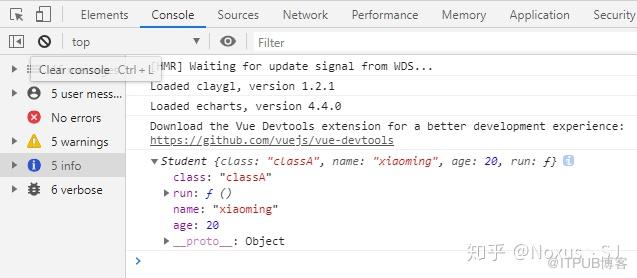
这个时候 this 已经指向了 Person 构造函数了
使用 bind 改变 this 指向
let ex = '';

let Person = function(name, age) {
    this.name = name;
    this.age = age;
};

let Student = function() {
    this.class = 'classA';

    this.run = function() {
        ex = Person.bind(this, 'xiaoming', 20);
        console.log(this);
    };
};

let student = new Student();

student.run();
ex();
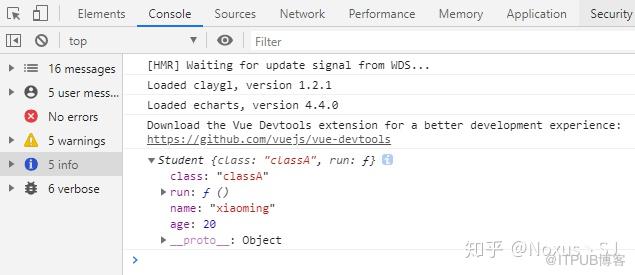
使用 bind 的话,需要执行了 this 改变才会生效
总结:使用 apply、call 和 bind 确实可以改变 this 指向,但是原有对象的属性也跟着一起过去了
来自 “ ITPUB博客 ” ,链接:https://blog.itpub.net/2894/viewspace-2797333/ ,如需转载,请注明出处,否则将追究法律责任。

请登录后发表评论
登录
全部评论
