欢迎访问我的GitHub
github.com/zq2599/blog_demos
内容:所有原创文章分类汇总及配套源码,涉及Java、Docker、Kubernetes、DevOPS等;
本篇概览
- 本文是《disruptor笔记》系列的第三篇,主要任务是编码实现消息生产和消费,与[《disruptor笔记之一:快速入门》]不同的是,本次开发不使用Disruptor类,和Ring Buffer(环形队列)相关的操作都是自己写代码实现;
- 这种脱离Disruptor类操作Ring Buffer的做法,不适合用在生产环境,但在学习Disruptor的过程中,这是种高效的学习手段,经过本篇实战后,在今后使用Disruptor时,您在开发、调试、优化等各种场景下都能更加得心应手;
- 简单的消息生产消费已不能满足咱们的学习热情,今天的实战要挑战以下三个场景:
- 100个事件,单个消费者消费;
- 100个事件,三个消费者,每个都独自消费这个100个事件;
- 100个事件,三个消费者共同消费这个100个事件;
前文回顾
为了完成本篇的实战,前文[《disruptor笔记之二:Disruptor类分析》]已做了充分的研究分析,建议观看,这里简单回顾以下Disruptor类的几个核心功能,这也是咱们编码时要实现的:
- 创建环形队列(RingBuffer对象)
- 创建SequenceBarrier对象,用于接收ringBuffer中的可消费事件
- 创建BatchEventProcessor,负责消费事件
- 绑定BatchEventProcessor对象的异常处理类
- 调用ringBuffer.addGatingSequences,将消费者的Sequence传给ringBuffer
- 启动独立线程,用来执行消费事件的业务逻辑
- 理论分析已经完成,接下来开始编码;
源码下载
- 本篇实战中的完整源码可在GitHub下载到,地址和链接信息如下表所示(github.com/zq2599/blog_demos):
| 名称 | 链接 | 备注 |
|---|---|---|
| 项目主页 | github.com/zq2599/blog_demos | 该项目在GitHub上的主页 |
| git仓库地址(https) | github.com/zq2599/blog_demos.git | 该项目源码的仓库地址,https协议 |
| git仓库地址(ssh) | git@github.com:zq2599/blog_demos.git | 该项目源码的仓库地址,ssh协议 |
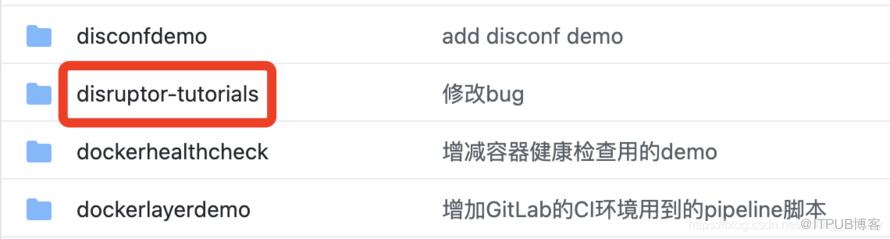
- 这个git项目中有多个文件夹,本次实战的源码在disruptor-tutorials文件夹下,如下图红框所示:
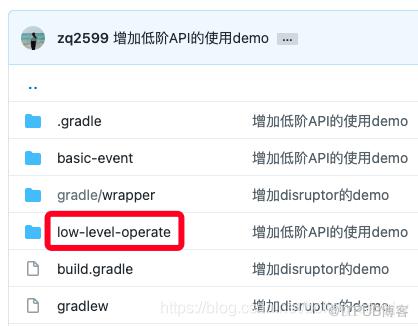
- disruptor-tutorials是个父工程,里面有多个module,本篇实战的module是low-level-operate,如下图红框所示:
开发
- 进入编码阶段,今天的任务是挑战以下三个场景:
- 100个事件,单个消费者消费;
- 100个事件,三个消费者,每个都独自消费这个100个事件;
- 100个事件,三个消费者共同消费这个100个事件;
- 咱们先把工程建好,然后编写公共代码,例如事件定义、事件工厂等,最后才是每个场景的开发;
- 在父工程disruptor-tutorials新增名为low-level-operate的module,其build.gradle如下:
plugins {
    id 'org.springframework.boot'
}

dependencies {
    implementation 'org.projectlombok:lombok'
    implementation 'org.springframework.boot:spring-boot-starter'
    implementation 'org.springframework.boot:spring-boot-starter-web'
    implementation 'com.lmax:disruptor'

    testImplementation('org.springframework.boot:spring-boot-starter-test')
}
- 然后是springboot启动类:
package com.bolingcavalry;

import org.springframework.boot.SpringApplication;
import org.springframework.boot.autoconfigure.SpringBootApplication;

@SpringBootApplication
public class LowLevelOperateApplication {
	public static void main(String[] args) {
		SpringApplication.run(LowLevelOperateApplication.class, args);
	}
}
- 事件类,这是事件的定义:
package com.bolingcavalry.service;

import lombok.Data;
import lombok.NoArgsConstructor;
import lombok.ToString;

@Data
@ToString
@NoArgsConstructor
public class StringEvent {
    private String value;
}
- 事件工厂,定义如何在内存中创建事件对象:
package com.bolingcavalry.service;

import com.lmax.disruptor.EventFactory;

public class StringEventFactory implements EventFactoryStringEvent> {
    @Override
    public StringEvent newInstance() {
        return new StringEvent();
    }
}
- 事件生产类,定义如何将业务逻辑的事件转为disruptor事件发布到环形队列,用于消费:
package com.bolingcavalry.service;

import com.lmax.disruptor.RingBuffer;

public class StringEventProducer {

    // 存储数据的环形队列
    private final RingBufferStringEvent> ringBuffer;

    public StringEventProducer(RingBufferStringEvent> ringBuffer) {
        this.ringBuffer = ringBuffer;
    }

    public void onData(String content) {

        // ringBuffer是个队列,其next方法返回的是下最后一条记录之后的位置,这是个可用位置
        long sequence = ringBuffer.next();

        try {
            // sequence位置取出的事件是空事件
            StringEvent stringEvent = ringBuffer.get(sequence);
            // 空事件添加业务信息
            stringEvent.setValue(content);
        } finally {
            // 发布
            ringBuffer.publish(sequence);
        }
    }
}
- 事件处理类,收到事件后具体的业务处理逻辑:
package com.bolingcavalry.service;

import com.lmax.disruptor.EventHandler;
import lombok.Setter;
import lombok.extern.slf4j.Slf4j;
import java.util.function.Consumer;

@Slf4j
public class StringEventHandler implements EventHandlerStringEvent> {

    public StringEventHandler(Consumer?> consumer) {
        this.consumer = consumer;
    }

    // 外部可以传入Consumer实现类,每处理一条消息的时候,consumer的accept方法就会被执行一次
    private Consumer?> consumer;

    @Override
    public void onEvent(StringEvent event, long sequence, boolean endOfBatch) throws Exception {
        log.info("sequence [{}], endOfBatch [{}], event : {}", sequence, endOfBatch, event);

        // 这里延时100ms,模拟消费事件的逻辑的耗时
        Thread.sleep(100);

        // 如果外部传入了consumer,就要执行一次accept方法
        if (null!=consumer) {
            consumer.accept(null);
        }
    }
}
- 定义一个接口,外部通过调用接口的方法来生产消息,再放几个常量在里面后面会用到:
package com.bolingcavalry.service;

public interface LowLevelOperateService {
    /**
     * 消费者数量
     */
    int CONSUMER_NUM = 3;

    /**
     * 环形缓冲区大小
     */
    int BUFFER_SIZE = 16;

    /**
     * 发布一个事件
     * @param value
     * @return
     */
    void publish(String value);

    /**
     * 返回已经处理的任务总数
     * @return
     */
    long eventCount();
}
- 以上就是公共代码了,接下来逐个实现之前规划的三个场景;
100个事件,单个消费者消费
- 这是最简单的功能了,实现发布消息和单个消费者消费的功能,代码如下,有几处要注意的地方稍后提到:
package com.bolingcavalry.service.impl;

import com.bolingcavalry.service.*;
import com.lmax.disruptor.BatchEventProcessor;
import com.lmax.disruptor.RingBuffer;
import com.lmax.disruptor.SequenceBarrier;
import lombok.extern.slf4j.Slf4j;
import org.springframework.stereotype.Service;

import javax.annotation.PostConstruct;
import java.util.concurrent.ExecutorService;
import java.util.concurrent.Executors;
import java.util.concurrent.atomic.AtomicLong;
import java.util.function.Consumer;

@Service("oneConsumer")
@Slf4j
public class OneConsumerServiceImpl implements LowLevelOperateService {

    private RingBufferStringEvent> ringBuffer;

    private StringEventProducer producer;

    /**
     * 统计消息总数
     */
    private final AtomicLong eventCount = new AtomicLong();

    private ExecutorService executors;

    @PostConstruct
    private void init() {
        // 准备一个匿名类,传给disruptor的事件处理类,
        // 这样每次处理事件时,都会将已经处理事件的总数打印出来
        Consumer?> eventCountPrinter = new ConsumerObject>() {
            @Override
            public void accept(Object o) {
                long count = eventCount.incrementAndGet();
                log.info("receive [{}] event", count);
            }
        };

        // 创建环形队列实例
        ringBuffer = RingBuffer.createSingleProducer(new StringEventFactory(), BUFFER_SIZE);

        // 准备线程池
        executors = Executors.newFixedThreadPool(1);

        //创建SequenceBarrier
        SequenceBarrier sequenceBarrier = ringBuffer.newBarrier();

        // 创建事件处理的工作类,里面执行StringEventHandler处理事件
        BatchEventProcessorStringEvent> batchEventProcessor = new BatchEventProcessor>(
                ringBuffer,
                sequenceBarrier,
                new StringEventHandler(eventCountPrinter));

        // 将消费者的sequence传给环形队列
        ringBuffer.addGatingSequences(batchEventProcessor.getSequence());

        // 在一个独立线程中取事件并消费
        executors.submit(batchEventProcessor);

        // 生产者
        producer = new StringEventProducer(ringBuffer);
    }

    @Override
    public void publish(String value) {
        producer.onData(value);
    }

    @Override
    public long eventCount() {
        return eventCount.get();
    }
}
- 上述代码有以下几处需要注意:
- 自己创建环形队列RingBuffer实例
- 自己准备线程池,里面的线程用来获取和消费消息
- 自己动手创建BatchEventProcessor实例,并把事件处理类传入
- 通过ringBuffer创建sequenceBarrier,传给BatchEventProcessor实例使用
- 将BatchEventProcessor的sequence传给ringBuffer,确保ringBuffer的生产和消费不会出现混乱
- 启动线程池,意味着BatchEventProcessor实例在一个独立线程中不断的从ringBuffer中获取事件并消费;
- 为了验证上述代码能否正常工作,我这里写了个单元测试类,如下所示,逻辑很简单,调用OneConsumerServiceImpl.publish方法一百次,产生一百个事件,再检查OneConsumerServiceImpl记录的消费事件总数是不是等于一百:
package com.bolingcavalry.service.impl;

import com.bolingcavalry.service.LowLevelOperateService;
import lombok.extern.slf4j.Slf4j;
import org.junit.Test;
import org.junit.runner.RunWith;
import org.springframework.beans.factory.annotation.Autowired;
import org.springframework.beans.factory.annotation.Qualifier;
import org.springframework.boot.test.context.SpringBootTest;
import org.springframework.test.context.junit4.SpringRunner;
import static org.junit.Assert.assertEquals;

@RunWith(SpringRunner.class)
@SpringBootTest
@Slf4j
public class LowLeverOperateServiceImplTest {

    @Autowired
    @Qualifier("oneConsumer")
    LowLevelOperateService oneConsumer;

    private static final int EVENT_COUNT = 100;

    private void testLowLevelOperateService(LowLevelOperateService service, int eventCount, int expectEventCount) throws InterruptedException {
        for(int i=0;ieventCount;i++) {
            log.info("publich {}", i);
            service.publish(String.valueOf(i));
        }

        // 异步消费,因此需要延时等待
        Thread.sleep(10000);

        // 消费的事件总数应该等于发布的事件数
        assertEquals(expectEventCount, service.eventCount());
    }

    @Test
    public void testOneConsumer() throws InterruptedException {
        log.info("start testOneConsumerService");
        testLowLevelOperateService(oneConsumer, EVENT_COUNT, EVENT_COUNT);
    }
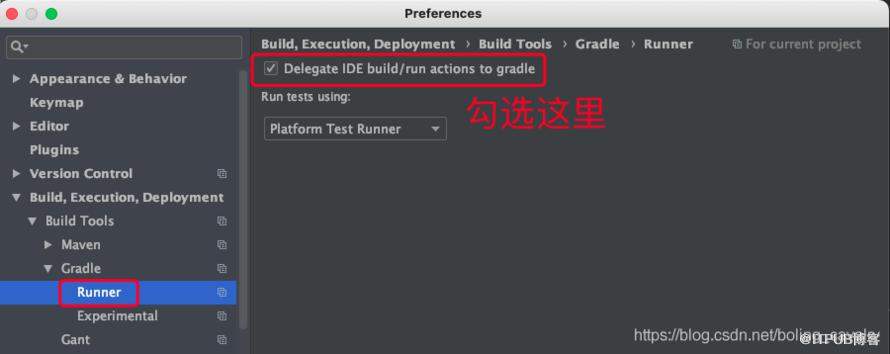
- 注意,如果您是直接在IDEA上点击图标来执行单元测试,记得勾选下图红框中选项,否则可能出现编译失败:
- 执行上述单元测试类,结果如下图所示,消息的生产和消费都符合预期,并且消费逻辑是在独立线程中执行的:

- 继续挑战下一个场景;
100个事件,三个消费者,每个都独自消费这个100个事件
- 这个场景在kafka中也有,就是三个消费者的group不同,这样每一条消息,这两个消费者各自消费一次;
- 因此,100个事件,3个消费者每人都会独立消费这100个事件,一共消费300次;
- 代码如下,有几处要注意的地方稍后提到:
package com.bolingcavalry.service.impl;

import com.bolingcavalry.service.*;
import com.lmax.disruptor.BatchEventProcessor;
import com.lmax.disruptor.RingBuffer;
import com.lmax.disruptor.SequenceBarrier;
import lombok.extern.slf4j.Slf4j;
import org.springframework.stereotype.Service;

import javax.annotation.PostConstruct;
import java.util.concurrent.Executor;
import java.util.concurrent.ExecutorService;
import java.util.concurrent.Executors;
import java.util.concurrent.atomic.AtomicLong;
import java.util.function.Consumer;

@Service("multiConsumer")
@Slf4j
public class MultiConsumerServiceImpl implements LowLevelOperateService {

    private RingBufferStringEvent> ringBuffer;

    private StringEventProducer producer;

    /**
     * 统计消息总数
     */
    private final AtomicLong eventCount = new AtomicLong();

    /**
     * 生产一个BatchEventProcessor实例,并且启动独立线程开始获取和消费消息
     * @param executorService
     */
    private void addProcessor(ExecutorService executorService) {
        // 准备一个匿名类,传给disruptor的事件处理类,
        // 这样每次处理事件时,都会将已经处理事件的总数打印出来
        Consumer?> eventCountPrinter = new ConsumerObject>() {
            @Override
            public void accept(Object o) {
                long count = eventCount.incrementAndGet();
                log.info("receive [{}] event", count);
            }
        };

        BatchEventProcessorStringEvent> batchEventProcessor = new BatchEventProcessor>(
                ringBuffer,
                ringBuffer.newBarrier(),
                new StringEventHandler(eventCountPrinter));

        // 将当前消费者的sequence实例传给ringBuffer
        ringBuffer.addGatingSequences(batchEventProcessor.getSequence());

        // 启动独立线程获取和消费事件
        executorService.submit(batchEventProcessor);
    }

    @PostConstruct
    private void init() {
        ringBuffer = RingBuffer.createSingleProducer(new StringEventFactory(), BUFFER_SIZE);

        ExecutorService executorService = Executors.newFixedThreadPool(CONSUMER_NUM);

        // 创建多个消费者,并在独立线程中获取和消费事件
        for (int i=0;iCONSUMER_NUM;i++) {
            addProcessor(executorService);
        }

        // 生产者
        producer = new StringEventProducer(ringBuffer);
    }

    @Override
    public void publish(String value) {
        producer.onData(value);
    }

    @Override
    public long eventCount() {
        return eventCount.get();
    }
}
-
上述代码和前面的OneConsumerServiceImpl相比差别不大,主要是创建了多个BatchEventProcessor实例,然后分别在线程池中提交;
-
验证方法依旧是单元测试,在刚才的LowLeverOperateServiceImplTest.java中增加代码即可,注意testLowLevelOperateService的第三个参数是EVENT_COUNT * LowLevelOperateService.CONSUMER_NUM,表示预期的被消费消息数为300:
 	@Autowired
    @Qualifier("multiConsumer")
    LowLevelOperateService multiConsumer;

    @Test
    public void testMultiConsumer() throws InterruptedException {
        log.info("start testMultiConsumer");
        testLowLevelOperateService(multiConsumer, EVENT_COUNT, EVENT_COUNT * LowLevelOperateService.CONSUMER_NUM);
    }
- 执行单元测试,如下图所示,一共消费了300个事件,并且三个消费者在不动线程:

100个事件,三个消费者共同消费这个100个事件
-
本篇的最后一个实战是发布100个事件,然后让三个消费者共同消费100个(例如A消费33个,B消费33个,C消费34个);
-
前面用到的BatchEventProcessor是用来独立消费的,不适合多个消费者共同消费,这种多个消费共同消费的场景需要借助WorkerPool来完成,这个名字还是很形象的:一个池子里面有很多个工作者,把任务放入这个池子,工作者们每人处理一部分,大家合力将任务完成;
-
传入WorkerPool的消费者需要实现WorkHandler接口,于是新增一个实现类:
package com.bolingcavalry.service;

import com.lmax.disruptor.WorkHandler;
import lombok.extern.slf4j.Slf4j;
import java.util.function.Consumer;

@Slf4j
public class StringWorkHandler implements WorkHandlerStringEvent> {

    public StringWorkHandler(Consumer?> consumer) {
        this.consumer = consumer;
    }

    // 外部可以传入Consumer实现类,每处理一条消息的时候,consumer的accept方法就会被执行一次
    private Consumer?> consumer;

    @Override
    public void onEvent(StringEvent event) throws Exception {
        log.info("work handler event : {}", event);

        // 这里延时100ms,模拟消费事件的逻辑的耗时
        Thread.sleep(100);

        // 如果外部传入了consumer,就要执行一次accept方法
        if (null!=consumer) {
            consumer.accept(null);
        }
    }
}
- 新增服务类,实现共同消费的逻辑,有几处要注意的地方稍后会提到:
package com.bolingcavalry.service.impl;

import com.bolingcavalry.service.*;
import com.lmax.disruptor.*;
import lombok.extern.slf4j.Slf4j;
import org.springframework.stereotype.Service;
import javax.annotation.PostConstruct;
import java.util.concurrent.ExecutorService;
import java.util.concurrent.Executors;
import java.util.concurrent.atomic.AtomicLong;
import java.util.function.Consumer;

@Service("workerPoolConsumer")
@Slf4j
public class WorkerPoolConsumerServiceImpl implements LowLevelOperateService {

    private RingBufferStringEvent> ringBuffer;

    private StringEventProducer producer;

    /**
     * 统计消息总数
     */
    private final AtomicLong eventCount = new AtomicLong();

    @PostConstruct
    private void init() {
        ringBuffer = RingBuffer.createSingleProducer(new StringEventFactory(), BUFFER_SIZE);

        ExecutorService executorService = Executors.newFixedThreadPool(CONSUMER_NUM);

        StringWorkHandler[] handlers = new StringWorkHandler[CONSUMER_NUM];

        // 创建多个StringWorkHandler实例,放入一个数组中
        for (int i=0;i  CONSUMER_NUM;i++) {
            handlers[i] = new StringWorkHandler(o -> {
                long count = eventCount.incrementAndGet();
                log.info("receive [{}] event", count);
            });
        }

        // 创建WorkerPool实例,将StringWorkHandler实例的数组传进去,代表共同消费者的数量
        WorkerPoolStringEvent> workerPool = new WorkerPool>(ringBuffer, ringBuffer.newBarrier(), new IgnoreExceptionHandler(), handlers);

        // 这一句很重要,去掉就会出现重复消费同一个事件的问题
        ringBuffer.addGatingSequences(workerPool.getWorkerSequences());

        workerPool.start(executorService);

        // 生产者
        producer = new StringEventProducer(ringBuffer);
    }

    @Override
    public void publish(String value) {
        producer.onData(value);
    }

    @Override
    public long eventCount() {
        return eventCount.get();
    }
}
- 上述代码中,要注意的有以下两处:
-
StringWorkHandler数组传入给WorkerPool后,每个StringWorkHandler实例都放入一个新的WorkProcessor实例,WorkProcessor实现了Runnable接口,在执行workerPool.start时,会将WorkProcessor提交到线程池中;
-
和前面的独立消费相比,共同消费最大的特点在于只调用了一次ringBuffer.addGatingSequences方法,也就是说三个消费者共用一个sequence实例;
- 验证方法依旧是单元测试,在刚才的LowLeverOperateServiceImplTest.java中增加代码即可,注意testWorkerPoolConsumer的第三个参数是EVENT_COUNT,表示预期的被消费消息数为100:
 	@Autowired
    @Qualifier("workerPoolConsumer")
    LowLevelOperateService workerPoolConsumer;

    @Test
    public void testWorkerPoolConsumer() throws InterruptedException {
        log.info("start testWorkerPoolConsumer");
        testLowLevelOperateService(workerPoolConsumer, EVENT_COUNT, EVENT_COUNT);
    }
- 执行单元测试如下图所示,三个消费者一共消费100个事件,且三个消费者在不同线程:

- 至此,咱们在不用Disruptor类的前提下完成了三种常见场景的消息生产消费,相信您对Disruptor的底层实现也有了深刻认识,今后不论是使用还是优化Disruptor,一定可以更加得心应手;
我是欣宸,期待与您一同畅游Java世界…
来自 “ ITPUB博客 ” ,链接:https://blog.itpub.net/2143/viewspace-2796818/ ,如需转载,请注明出处,否则将追究法律责任。

